Custom Parts Manufacturing: When to Use a Machine Shop
Custom parts manufacturing is often necessary when an off-the-shelf component does not match the material, dimensions, performance requirements, or design of your project. Whether you need a single replacement part, a prototype, or a production run of specialized components, working with a machine shop can help turn your specifications into usable parts.
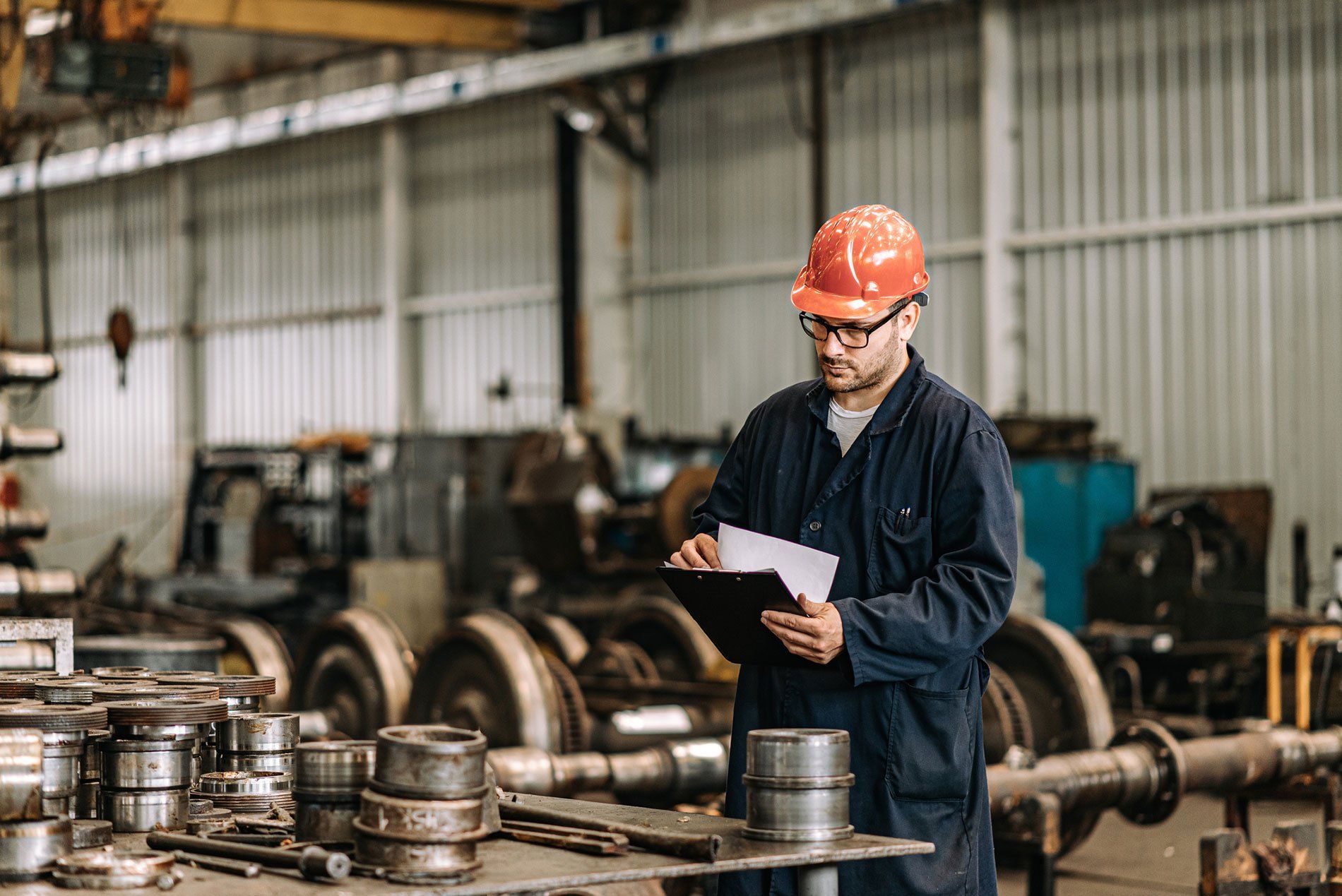
A machine shop uses specialized equipment and fabrication processes to cut, shape, drill, and finish materials for a wide range of commercial and industrial applications. Understanding when to involve a machine shop can help you choose an efficient approach to your project and avoid trying to adapt a standard part that was not designed for the job.
When Standard Parts Do Not Meet Your Needs
Standard components can be convenient, but they are not always suitable for every application. A custom part may be needed when a project requires a specific shape, hole pattern, thickness, material, or tolerance that cannot be found through a supplier. This is common when repairing older equipment, developing a new product, or modifying an existing system. A machine shop can manufacture components based on drawings, CAD files, measurements, or an existing sample part. This allows businesses to obtain parts that fit their equipment and intended use instead of making compromises with readily available options.
When Precision and Consistency Matter
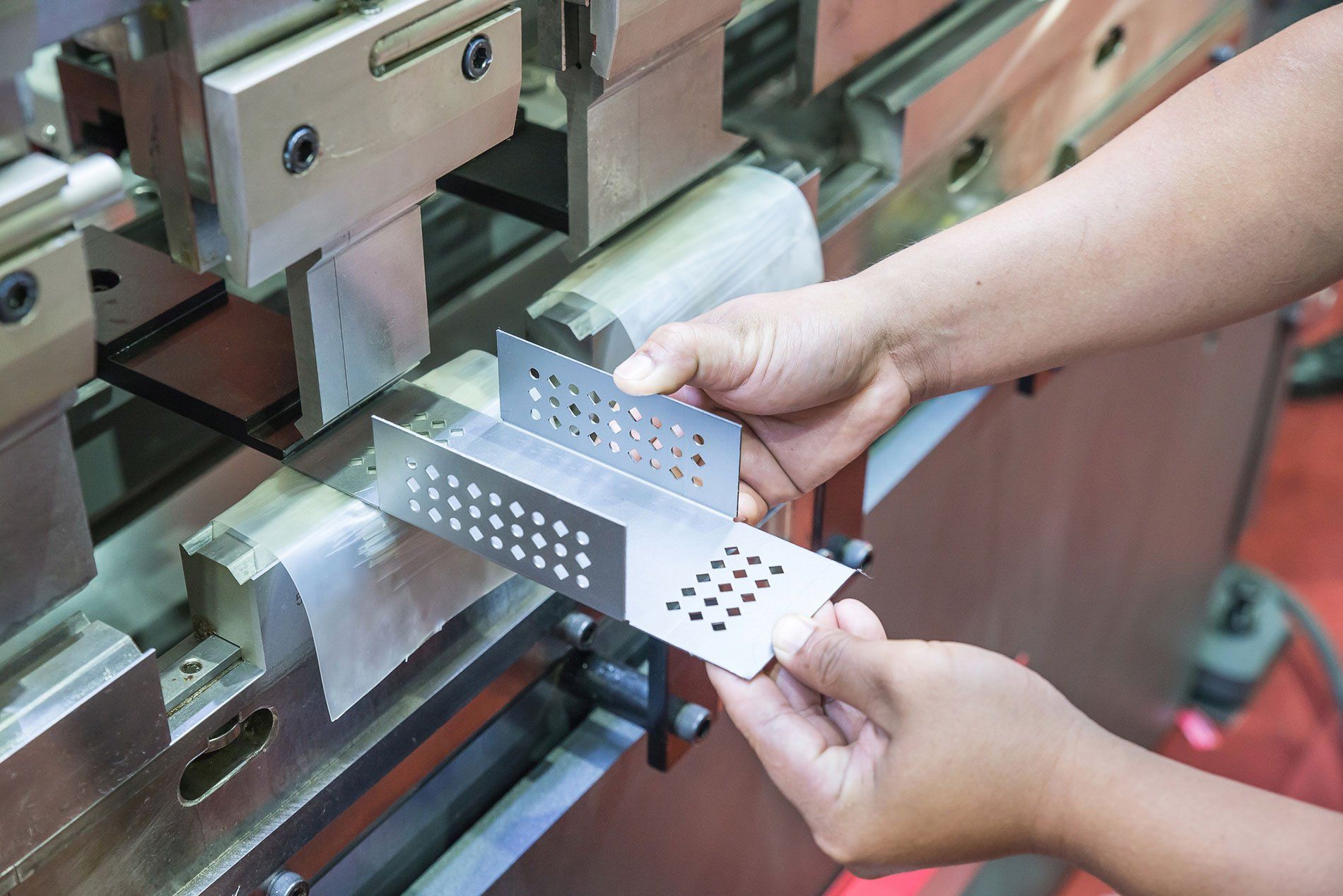
Custom parts often need to work with other components, which makes accurate measurements and consistent results important. A small variation in a cutout, mounting hole, or overall dimension can affect assembly, operation, and long-term performance. Machine shops use equipment and design technology that support precise, repeatable fabrication. Working with a machine shop may be the right choice when your project requires:
- Parts with detailed shapes, curves, or cutouts
- Consistent dimensions across multiple components
- Holes, slots, or openings placed in specific locations
- Clean edges that require less additional finishing
- Components made to fit existing equipment or assemblies
- A prototype before moving forward with a larger production run
When Your Material Requires a Specialized Cutting Method
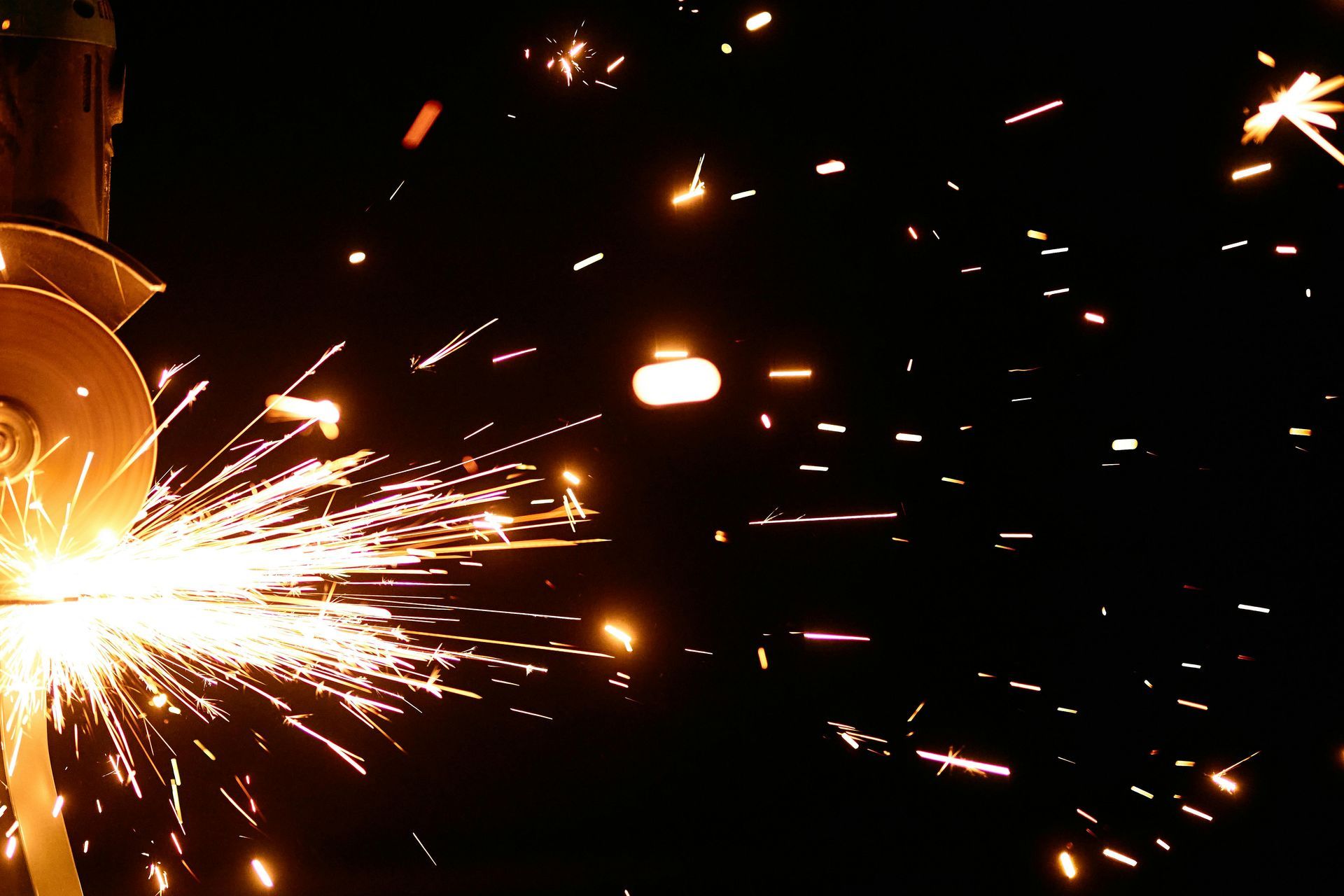
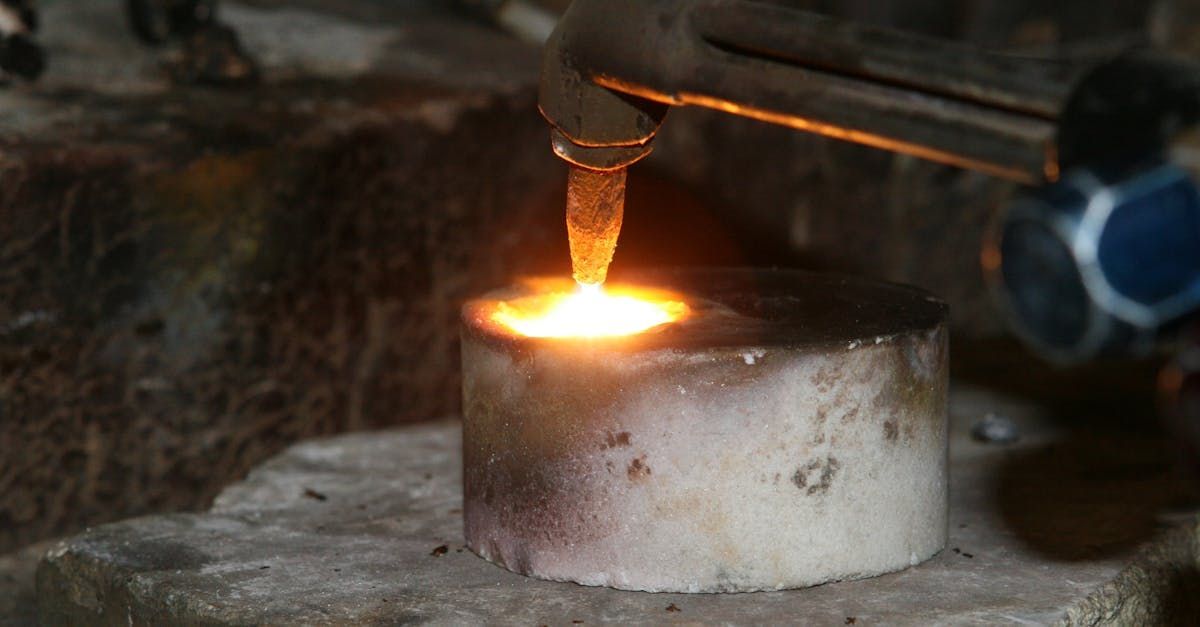
Different materials respond differently to cutting and fabrication. Heat-based cutting methods can affect certain metals, plastics, composites, or other materials, potentially causing warping, melting, or changes near the cut edge. Selecting the appropriate process can help preserve the material while producing the shape your project requires.
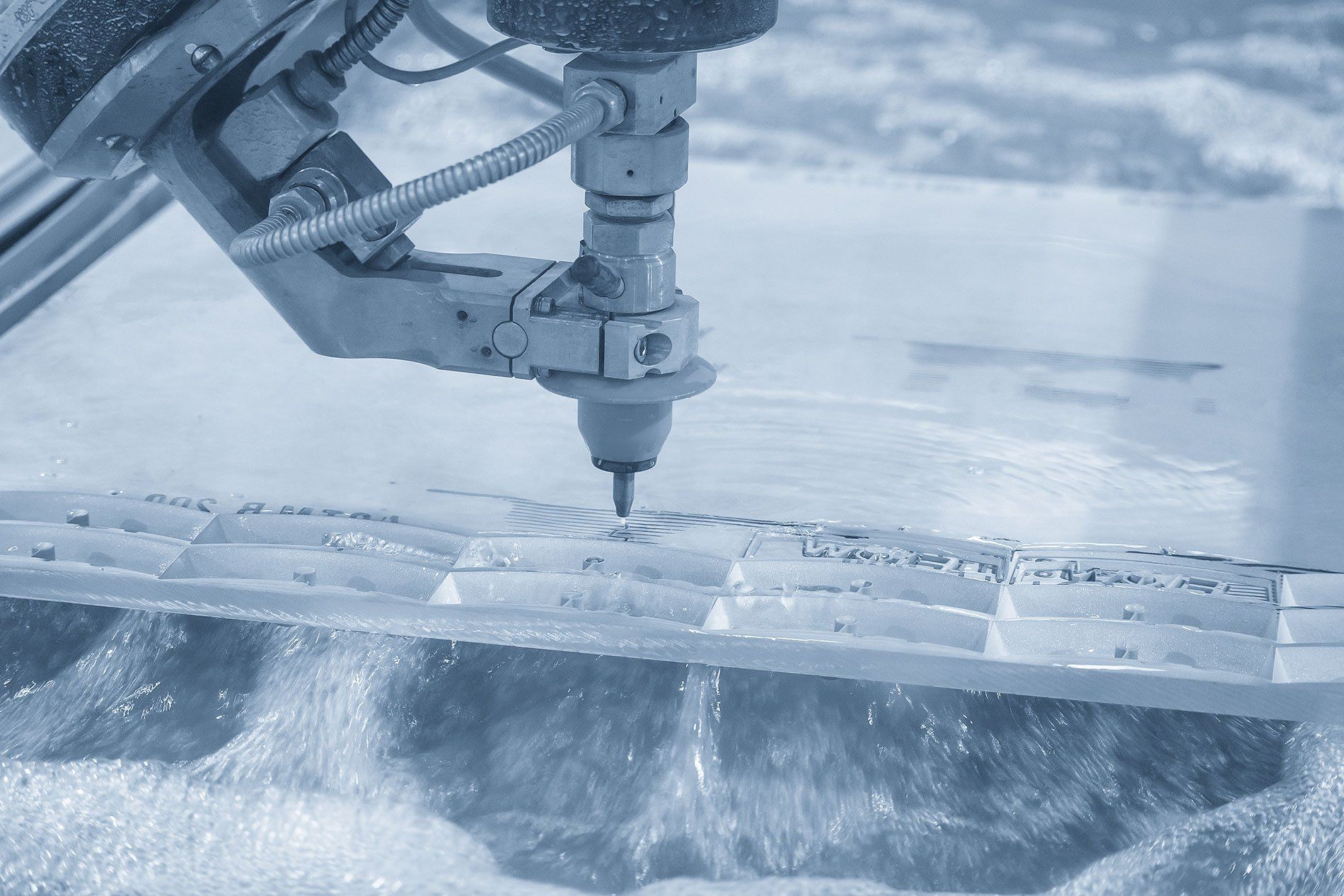
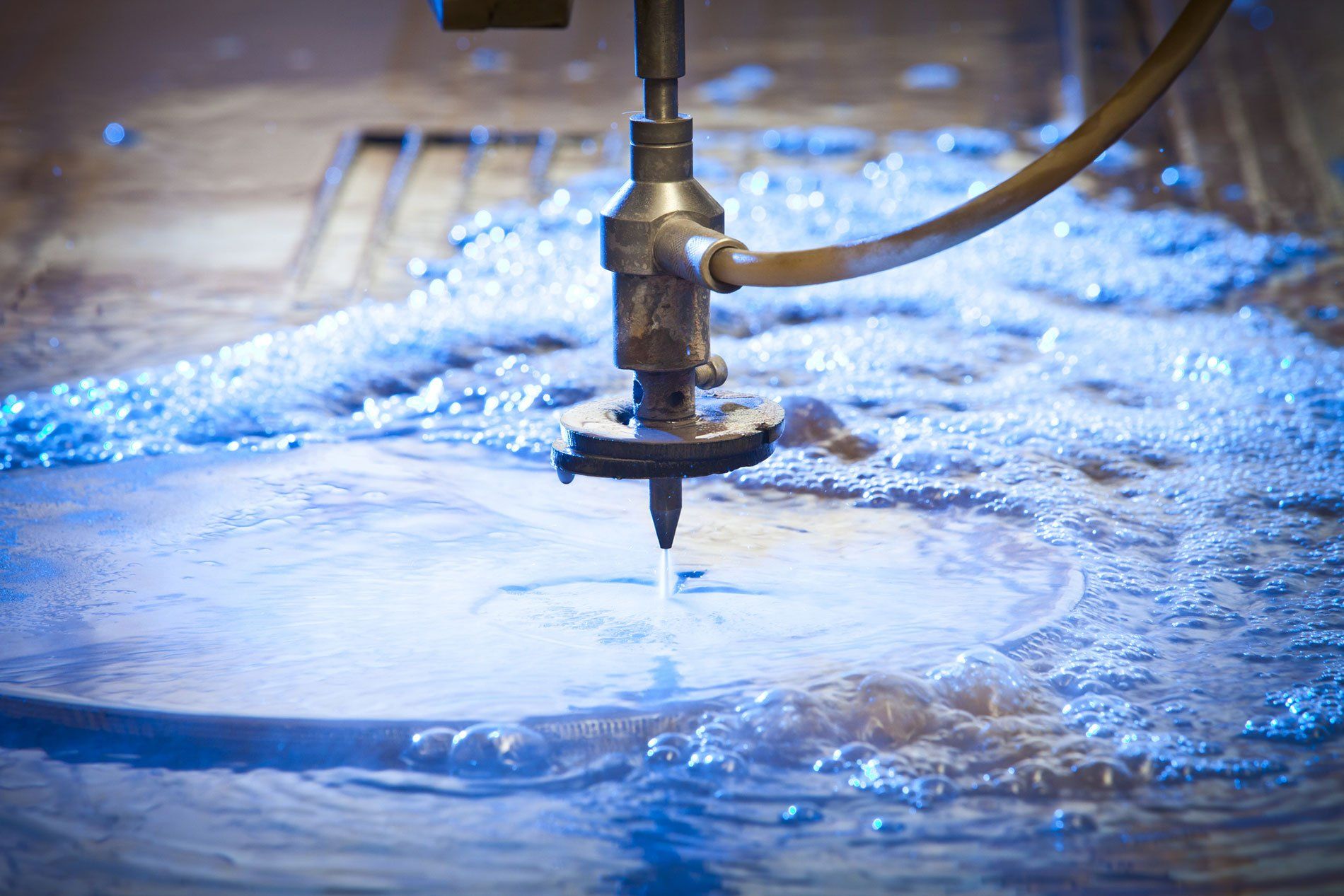
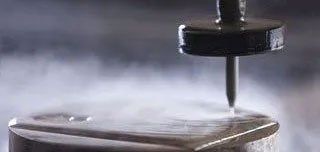
Waterjet cutting is one option for custom parts manufacturing because it uses a high-pressure stream of water to cut materials without creating a heat-affected zone. It can be used for a wide range of materials, including steel, aluminum, stainless steel, copper, plastics, rubber, stone, glass, and composites. The process is also well suited for detailed designs and parts that require a clean cut.
When You Need a Replacement Part or Prototype
A broken or worn component can create delays when a replacement is no longer available or has a long lead time. In these situations, a machine shop may be able to manufacture a replacement part using an existing piece, measurements, or a technical drawing. This can be especially helpful for industrial equipment, specialized machinery, and older systems with discontinued components.
Machine shops are also valuable during product development. Before investing in a larger quantity of parts, businesses can create a prototype to evaluate fit, function, and design. Adjustments can then be made before the project moves into production, helping reduce the risk of ordering parts that do not meet the application’s needs.
When Your Project Needs More Than One Fabrication Service
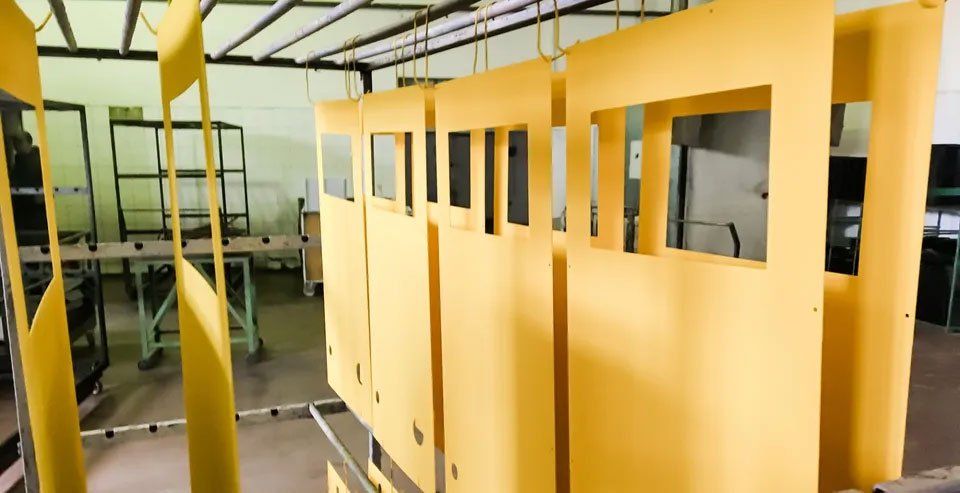
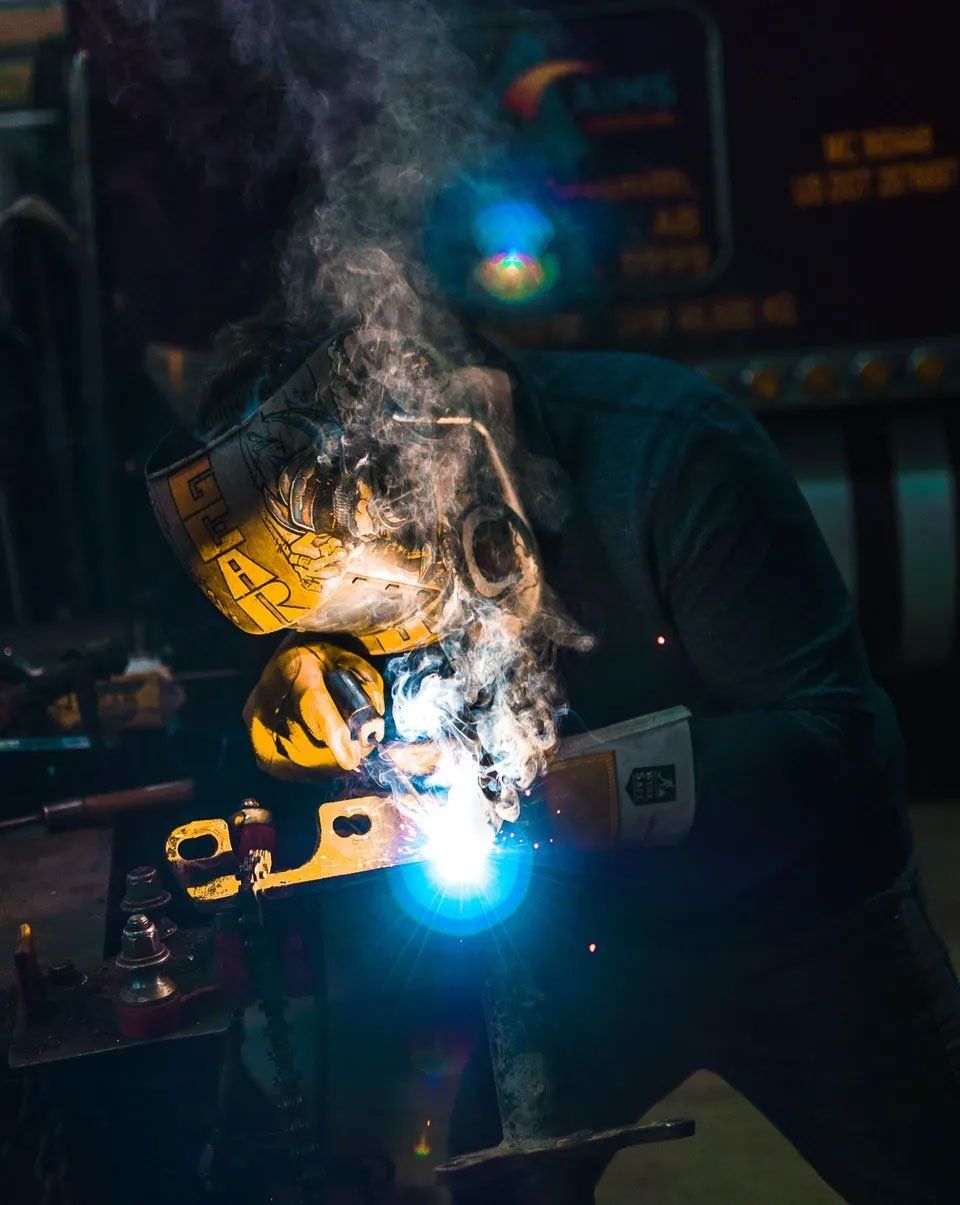
Custom parts manufacturing may involve more than only cutting a material to size. Depending on the project, the part may also require shaping, drilling, finishing, or additional fabrication work before it is ready for use. Choosing a machine shop that can assist with multiple steps can make the process more organized and help keep the project moving forward. Before contacting a machine shop, it is helpful to gather as much project information as possible. Providing measurements, material preferences, quantities, drawings, CAD files, and details about the part’s intended use can help the team recommend an appropriate manufacturing approach.
Midland Waterjet: A Machine Shop Serving West Texas
When you need custom parts manufacturing in Midland, Odessa, Lubbock, Abilene, TX, or the surrounding areas, Midland Waterjet is ready to help. Our machine shop provides waterjet cutting services for a variety of metal fabrication and custom component needs. In addition to waterjet cutting, our capabilities include shaping, drilling, and finishing for specialized projects. We work with a wide range of materials and can assist with custom parts, replacement components, prototypes, aluminum gears, custom steel signs, and more. Contact us to discuss your project and learn how our machine shop can help manufacture the parts you need!